It'll be in your inbox — read it when you're ready.
Something went wrong, please try again.
Sent!
It'll be waiting in your inbox.
Table of Contents
Free guides to download
Thanks! Check your email.
What you eat and drink before a run can significantly influence your performance and comfort.Choosing the wrong foods might result in bloating, cramping, or even a sudden energy drop during your run. On the other hand, the right nutrition can enhance your energy levels and help you perform at your best.In this guide, we’ll explore 10 foods and drinks to avoid before running. We'll explain why they may negatively impact you, and suggest better options to keep you fueled and ready.
Why Pre-Run Nutrition Matters
Your pre-run meal or snack sets the stage for how you’ll perform and feel during your run. Eating the right foods provides your body with the energy it needs, prevents hunger, and supports sustained performance.Consuming the wrong foods can lead to gastrointestinal distress, fatigue, and even dehydration.Related:10 Tips to Avoid Toilet Breaks During a RaceIf you understand which foods to avoid and why, you can optimize your pre-run nutrition and make every run more enjoyable and productive.
10 Foods and Drinks to Avoid Before Your Run
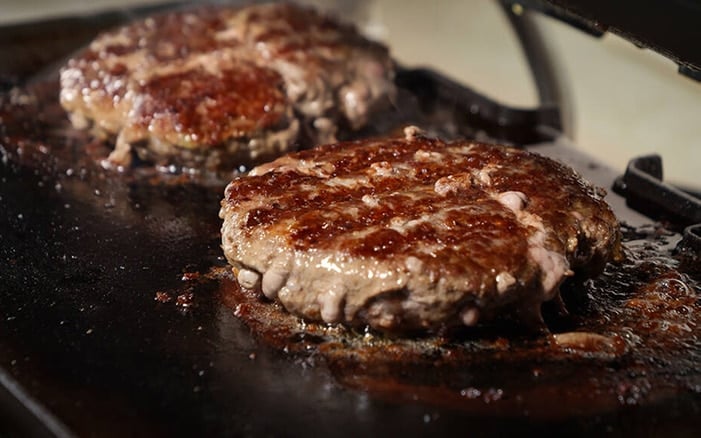
1. High-fat foods
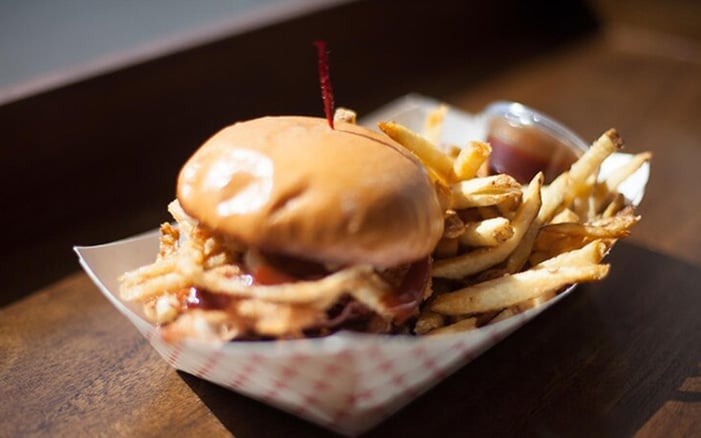
Examples: Burgers, fried chicken, creamy saucesimage by EyeEmFoods high in fat take longer to digest, which can leave you feeling sluggish and heavy during your run. Additionally, slow digestion can lead to stomach discomfort, especially during high-intensity or long runs.Save high-fat meals for post-run recovery when your body can use those nutrients more effectively.
2. Dairy products
Examples: Milk, cheese, yogurtimage by freepikFor many runners, dairy can cause bloating, cramps, or diarrhea due to lactose intolerance or sensitivity. Even if you aren’t lactose intolerant, dairy products can be heavy on the stomach before exercise.Opt for plant-based alternatives or avoid dairy altogether close to your run.
3. Sugary treats
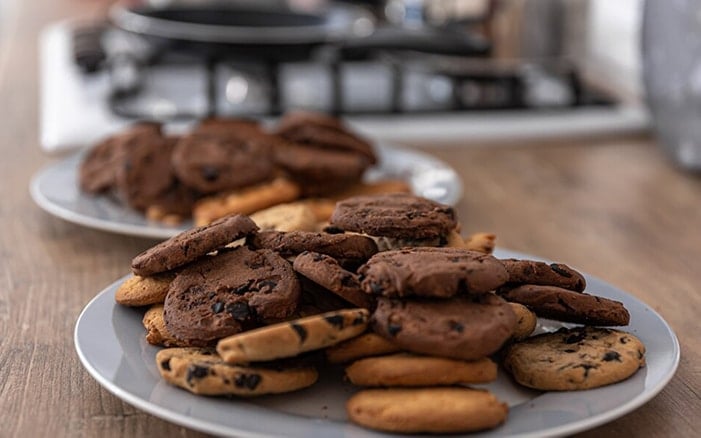
Examples: Candy, pastries, sugary cerealsimage by pvproductionsWhile sugar might seem like a quick energy fix, it can cause a rapid spike in blood sugar followed by an energy crash, leaving you fatigued mid-run.Instead, opt for natural sugars like those found in fruits or choose energy bars designed for runners that balance carbohydrates with essential nutrients. These options provide a steadier energy source for your run.
4. High-fiber foods
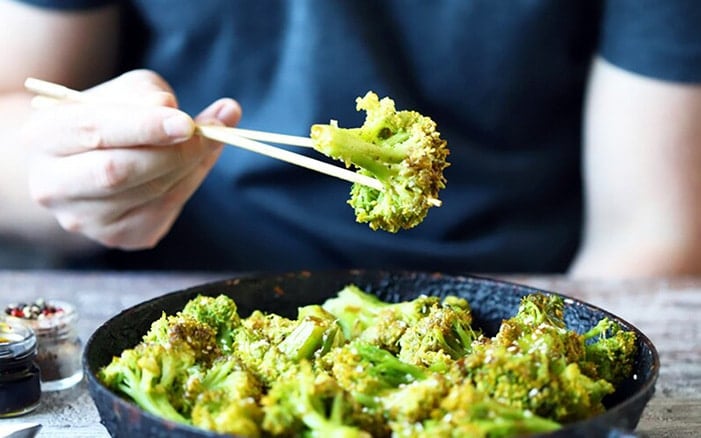
Examples: Beans, lentils, broccoli, whole-grain breadimage by sunvicFiber is essential for digestive health, but eating high-fiber foods right before a run can lead to gas, bloating, and an urgent need for the restroom.Keep these foods in your diet but consume them well before your running time.
5. Spicy foods
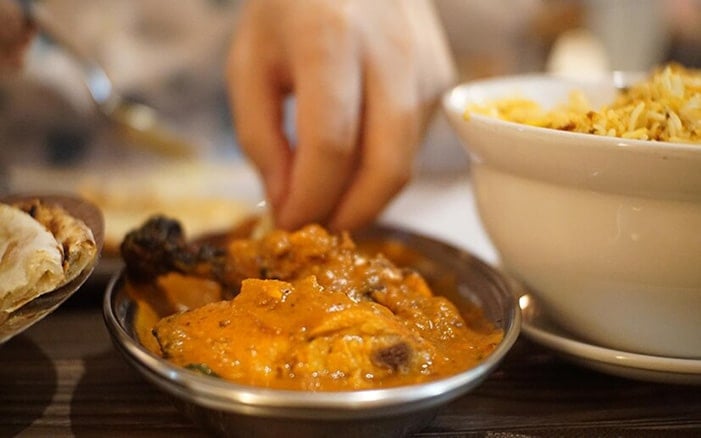
Examples: Hot sauce, chili, curryimage by EyeEmSpicy foods can cause acid reflux, heartburn, or stomach upset, particularly during physical activity. The last thing you want is a burning sensation in your chest or throat while you are trying to focus on your stride.
6. High-protein foods
Examples: Steak, protein barsimage by KryzhovFoods rich in protein can sit heavily in the stomach, potentially causing cramps or nausea while running. Compared to carbohydrates, protein foods are harder to digest and don’t provide quick energy needed for running.Save meat, protein bars and shakes for your post-run recovery meal to aid in muscle repair.
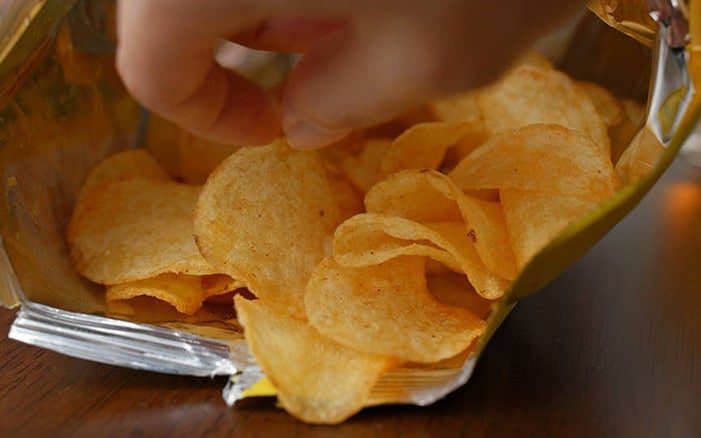
7. Processed snacks
Examples: Chips, crackers, packaged snack barsimage by PantherMediaSellerThese foods are often high in salt, preservatives, and unhealthy fats while lacking the nutrients needed for energy. Excess salt can also cause dehydration, making you feel sluggish during your run.
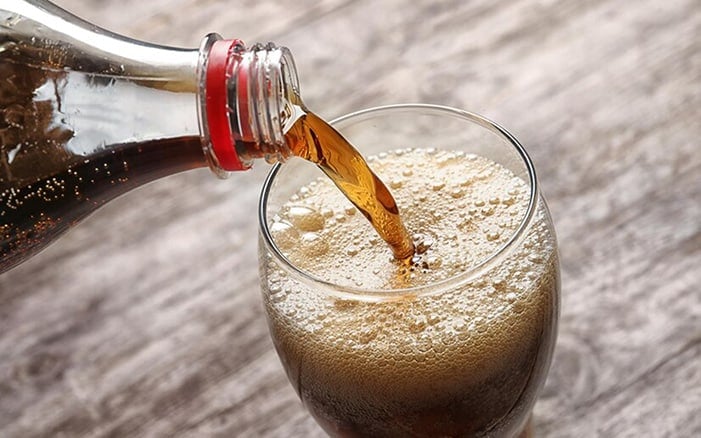
8. Carbonated drinks
Examples: Soda, sparkling water, energy drinks with carbonationimage by pixel-shot.comThe bubbles in carbonated drinks can lead to bloating, burping, and an uncomfortable feeling of fullness.Even though hydration is critical, it’s best to stick to still water or an electrolyte drink before running.Related:Why Do Marathon Runners Drink Coca-Cola and Is It Truly Beneficial?
9. Alcohol
Examples: Beer, wine, cocktailsimage by PoringdownAlcohol dehydrates the body, which can negatively impact performance and recovery. It also impairs coordination and slows reaction times, which are critical for maintaining proper form and avoiding injury.Avoid alcohol at least 24 hours before an important run.
10. Excessive Caffeine
Examples: Strong coffee, energy drinksimage by rawpixel.comWhile moderate caffeine can enhance performance, consuming too much can lead to jitters, dehydration, and an increased heart rate.If you enjoy caffeine before a run, limit your intake to one cup of coffee or tea.Related:Should You Consume Caffeine During Training and Races?
What to Eat Before a Run
Now that we’ve covered what to avoid, let’s focus on what you should eat to fuel your run. The ideal pre-run meal or snack provides:
easily digestible carbohydrates for quick energy
moderate amount of protein to sustain energy levels
minimal fat and fiber to prevent stomach issues.
image by Vientocuatroestudio
Best pre-run foods
Bananas. Packed with easily digestible carbohydrates and potassium to prevent cramps.
Oatmeal. A great source of slow-releasing carbs that provide sustained energy.
Toast with Nut Butter. Combines simple carbs with a small amount of protein and healthy fats.
Rice Cakes with Honey. A light, energy-boosting snack that’s gentle on the stomach.
Energy Gels or Chews. Convenient and easy to digest for quick energy during longer runs.
Timing matters
2-3 hours before a run: Eat a balanced meal with carbs, protein, and minimal fat (e.g., a turkey sandwich on whole-grain bread or a bowl of oatmeal with fruit).
30-60 minutes before a run: Opt for a small snack like a banana or rice cake to avoid running on an empty stomach and prevent discomfort.
General Rule
The foods you eat before a run can make or break your performance.Before running, opt for easy-to-digest carbohydrates with moderate protein and minimal fat, such as bananas, oatmeal, or toast with peanut butter. Always hydrate adequately but avoid overdoing it right before heading out.Experiment with different foods and timing to find what works best for your body. With the right nutrition strategy, you’ll be ready to make the most of every workout.
It'll be in your inbox — read it when you're ready.
Something went wrong, please try again.
Sent!
It'll be waiting in your inbox.
Free weekly newsletter
Become a better runner in 5 minutes a week
Tips, gear reviews, training plans and race guides — every Wednesday.
Race time equivalents are the finish times at other distances that match the result you already have. For example, a 25-minute 5K is the equivalent of a 52-minute
Zone 2 running is easy running done at 60 to 70 percent of your maximum heart rate, slow enough to hold a conversation and sustainable for an hour or more.
Breaking an hour for 10K is one of the most popular and inspiring goals among amateur runners. If you have raced a few 5Ks and have covered 10K without walking,
Your resting heart rate is one of the simplest signs of your fitness, right there on your watch every morning. From that number, you can read your form and recovery,
VO2 max has become one of the most talked-about numbers in running, shown on watch screens and training apps everywhere. Yet most runners have no idea whether their own