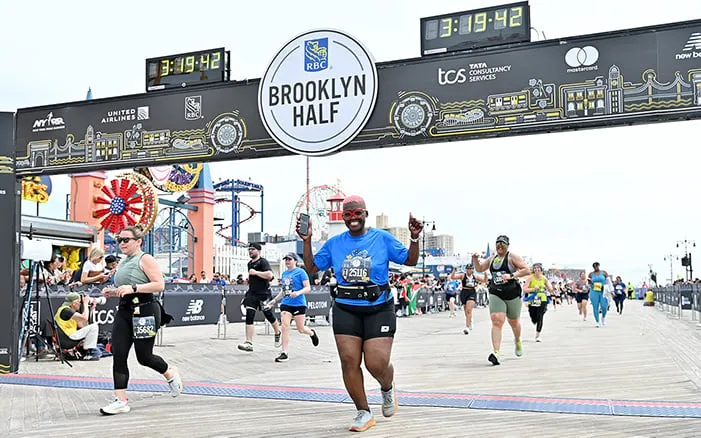
This guide brings together fifteen of the world’s most epic half marathons. From desert trails and jungle paths to icy tundras and volcanic ridges, every race on this list
Every training plan contains easy runs, marathon-pace runs, intervals, tempo runs, repeats, strides, strength training, and training tips.
Download for free and start training today!
5K Race
* 5K Race 8-Week
Half marathons aren’t just for fast runners chasing personal bests. Every weekend, thousands of people jog, walk, or mix both, covering the same 13.1 miles (21.1 km)
We’ve all heard them: running is bad for your knees, you must run daily, your watch is always right.
Let’s separate fact from fiction—backed by science.
Myth
Crossing the finish line is unforgettable. The next morning, though, is a different story. Muscles ache, stairs feel impossible, and your mind drifts between pride and post-race fog. What you
Running after 40 is becoming increasingly common. At many road races—especially marathons—runners in their 40s and 50s make up a large share of finishers. Still, plenty of newcomers
You can train your body to run 26.2 miles, but it’s your mind that decides whether you actually get there. Marathon mindset is what keeps you calm when
Every runner hits this crossroads eventually: Should you focus on speed or training volume? Is it better to push the pace or stay out longer? It’s a choice that