

Drink Composition
Today, the word "Coke" encompasses a wide variety of carbonated beverages. However, it all originated from the iconic US brand.At its inception, there was a pharmacist who battled his addiction to morphine and sought a remedy. His efforts resulted in Coca-Cola, named after its two primary ingredients: coca leaves and kola nuts. Naturally, the version we have today does not contain these ingredients.The recipe for the beverage is remarkably simple:- Purified carbonated water
- Sugar
- Natural coloring
- Orthophosphoric acid
- Flavors
- Caffeine

When and How Coke Became Popular Among Runners and Marathoners
While soda drinks may not seem like an obvious choice for many when it comes to sports, the International Olympic Committee holds a different perspective.Since the Summer Games in Amsterdam back in 1928, the committee has chosen Coca-Cola as its official beverage partner, and the brand has been providing support for every Olympic Games ever since.The tradition of incorporating this drink also influenced other athletic competitions, including running events.According to the renowned American marathon runner Hal Higdon, in the 1970s, some runners began adopting a scientifically supported recommendation that highlighted the potential performance-enhancing effects of consuming a sugar-containing beverage. As a result, an increasing number of runners started incorporating sweet drinks into their marathon routines. Despite the risk of disqualification, they took matters into their own hands by arranging with friends to supply them with these drinks, far away from the official aid stations.Hal Higdon himself admitted to having a preference for Coke, although he occasionally consumed Pepsi as well. Why these drinks? It all came down to familiarity and predictability. Higdon always knew what to expect from them. This aspect became particularly crucial during international races, as the taste and composition of Coke remained consistent regardless of the city, making it a reliable choice.
Coke vs. Isotonic Drinks
Initially, the composition of Coke aimed to meet the criteria of a medicinal product. However, over time, the ingredients and taste characteristics changed, leading to Coke appealing to a broader target audience.In contrast, the abovementioned Gatorade was originally developed specifically for athletes. Its creation was motivated by the experiences of Florida football players who frequently suffered from dehydration, resulting in hospitalization. To address this issue, the team's coach collaborated with a local doctor to formulate a beverage that would compensate for the fluids and nutrients lost through sweat.The resulting drink consisted of water, minerals, and glucose. The drink was so disgusting in taste that athletes were drinking it next to a restroom.Fortunately, modern isotonic drinks have evolved to fulfill their intended purposes without causing adverse reactions. They effectively replenish energy reserves and restore the water-electrolyte balance in the body.Related: 10 Tips to Avoid Toilet Breaks During a RaceAccording to a study conducted in New Zealand, the recommended concentration of sugar in a sports drink should be between 3 and 5%. Carbohydrate concentrations exceeding these levels, such as the approximately 10% carbohydrate content in Coke, can affect the body's rate of water absorption.In simpler terms, drinking Coke alone may not effectively quench your thirst. This is why experienced runners dilute the drink with water.Furthermore, Coke falls short when it comes to addressing the second objective of isotonic drinks, as it lacks electrolytes. Additionally, some experts argue that the caffeine present in Coke can actually contribute to the depletion of minerals from the body.However, it is precisely the combination of sugar and stimulant that has made Coke a favored beverage among many ultramarathon runners and trail runners.When Is It Better for Runners to Drink Coke?
During intense training sessions, the nervous system tends to fatigue first. To invigorate it and enhance energy levels, long-distance runners often choose beverages that contain caffeine, such as Coke.Representatives of other sports also share this choice. Cyclist Ted King highlights that a significant majority of Tour de France riders, approximately 90%, consume Coke during competitions. He explains that on a hot day, a cold soda serves as a vital energy boost, providing a quick infusion of caffeine and simple sugars that help fuel the final stages of the race.However, it is generally advised not to consume Coke immediately before a race. By that point, a substantial meal has likely already been consumed, and the stomach may not appreciate the presence of orthophosphoric acid present in Coke.
What to Choose: Coke With or Without Gas
Everyone knows what happens after drinking a carbonated beverage–hiccups, burping, and a burning sensation in the nose. It might seem logical to degas Coke to avoid these effects. However, triathletes beg to differ.Cyclists who took part in an experiment conducted by the Washington University School of Medicine in St. Louis found it quite comfortable to drink soda during their intense training sessions.Nevertheless, there is a footnote in the article stating that the bubbles in a runner's stomach can trigger a completely different reaction.Or perhaps they won't trigger it. A remarkable example is Konstantin Santalov, a three-time world champion in the 100K run, who shares his experience:"During competitions, I would only drink ice-cold Coke with gas—it revitalizes the body during long-distance running. I achieved my record in the race in Brazil, tackling the scorching 32-degree heat and 100% humidity with the help of approximately 40 liters of this beverage—each can I consumed immediately evaporated on my skin.You might think that it took a toll on my health, but no, the only thing that bothered me was my teeth, which I couldn't touch for almost a week. Coke didn't cause any other harm because I only used it for races, not in everyday life or even during regular training sessions. In cold weather, I would opt for warm tea instead.I didn't start drinking Coke right away; I completed around 100 ultramarathons, so I had plenty of time to experiment. At the very beginning of my sports career, I consumed rehydration solutions and even prepared oatmeal for myself. Gradually, I made the switch to Coke.It's also convenient for another reason: international competitions entail changing water—its composition varies in each city, and it may not suit you. Whereas Coke, though slightly different, doesn't deviate so drastically.However, the impact of beverages on the body needs to be tested beforehand so that their effect doesn't come as a surprise during competitions. Therefore, I can’t recommend drinking Coke to all runners."Do Professional Marathon Runners Drink Coke?
Many professional athletes admit that Coca-Cola helps them during long-distance runs. Camille Herron, Kilian Jornet, and numerous others are known to consume it.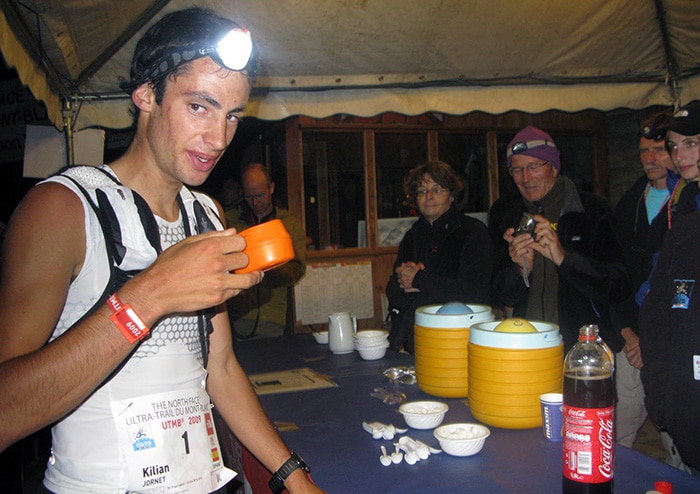
Is Coke Harmful?
People are constantly discovering new non-food applications for the beverage, such as cleaning tarnished jewelry, dissolving limescale, relieving itch from mosquito bites, and even giving the hair shine. It seems that Coke can do it all. However, opponents of the drink add that it can also contribute to stomach ulcers, pancreatitis, and obesity.Indeed, there are relevant studies on this topic. According to one of them, approximately 184,000 people die each year as a result of consuming sugary drinks.Extreme cases have been reported, like that of a 30-year-old New Zealander who died from cardiac arrest due to consuming eight liters of Coke daily, an Argentinean who lost all his teeth from drinking the same amount, and a Briton who experienced lung health issues while consuming a critical dose of Coke.However, it's important to note that these are exceptional cases, and most individuals don't combine excessive amounts of Coke with running.As mentioned earlier, Coke is a sugar bomb. While healthy individuals who don't abuse the beverage in their everyday lives may experience a quick energy boost, those with hypertension and diabetes should seek alternatives.The drink attracts us because it combines taste and high calories that are easily accessible. In the past, consuming as many calories as found in a liter of Coke would require eating about a kilogram of apples. Can anyone eat more than five pieces? It's difficult. But drinking a liter of Coke? Much easier. That's where the danger lies.This applies to all sugary drinks. As for Coke, there is a sugar-free option called Coca-Cola Zero. However, it may not be the best choice for sports activities.What Runners Can Replace Coke With
Let's once again list the key components necessary during long runs:- Water
- Carbohydrates
- Electrolytes
- Stimulants


