

A marathon with zero outdoor training? It’s not as wild as it sounds. Plenty of runners are logging every mile indoors—and still making it to the finish line.
For some, it sounds like madness. For others, it’s the only realistic way to get the training done. Whether you're dealing with harsh winters, chaotic schedules, or just prefer Netflix over nature, the treadmill can feel like a saving grace.
But here’s the real question: can you actually prepare for a marathon without ever facing wind, hills, or pavement?
Why runners consider treadmill-only training
There are plenty of reasons runners opt for the treadmill—some practical, some psychological, some simply unavoidable:
- Weather woes: sub-zero temps, icy sidewalks, or relentless summer heat.
- Safety concerns: traffic, poor lighting, questionable neighborhoods.
- Convenience: no need to plan a route, pack gear, or race daylight.
- Entertainment: music, podcasts, and streaming shows to pass the miles.
- Injury prevention: softer surface, better pace control, easier recovery.
Sometimes, the treadmill is the only way to stay consistent. But does that consistency translate into marathon readiness? Let’s break it down.
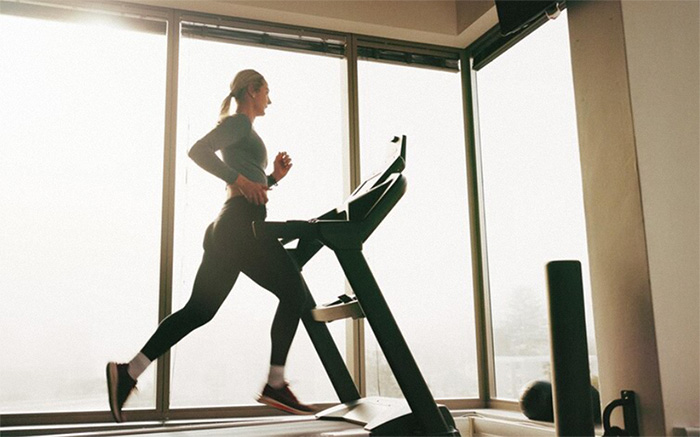
What are the differences between treadmill and outdoor running
Biomechanics change slightly
Running on a treadmill tends to shorten your stride a bit and reduce ground reaction forces. The belt moves underneath you, which shifts muscle activation slightly—especially in your hamstrings and glutes.
No wind resistance
Unlike running outdoors, you’re not cutting through air. That’s why many coaches recommend setting the incline to 1%—to simulate the extra effort of wind resistance and terrain variation.
The belt gives you a boost
The moving belt assists leg turnover just enough to make running feel easier, especially at moderate paces. That can make treadmill splits deceptively fast.
Constant pace, zero surprises
Treadmills remove the natural ebb and flow of outdoor terrain—no uphills, downhills, turns, or unexpected interruptions. Great for pacing drills, but less helpful for race-day adaptability.
Can a treadmill replicate long runs and race conditions?
From a purely physical standpoint, yes—a treadmill can help you build endurance, rehearse fueling, and get those 18–20 milers in the bank. But mentally, it’s a different challenge.
The monotony of staring at a wall (or screen) for 2–3 hours can wear you down. There's no change of scenery, no terrain shifts, no subtle distractions to carry you through the miles. For some runners, it can feel harder than running outdoors—despite the controlled environment.
Then there’s race day. Hills, weather, crowds, unpredictable pacing—none of that shows up on the treadmill screen. The more you rely on indoor training, the more you'll need to prepare mentally for those real-world race-day variables.
Related:How to Build Endurance and Stamina When You’re Starting From Zero
What the research says
The science mostly backs treadmill running—at least when it comes to aerobic fitness.
- A 1996 study in the Journal of Sports Sciences found no significant difference in VO₂ max or lactate threshold between treadmill and outdoor running when the effort was matched.
- Still, biomechanical research suggests that some neuromuscular adaptations—particularly those needed for running on uneven terrain or hills—might not fully carry over.
So, in other words: the engine gets stronger, but the suspension might not be tuned for the road.
When treadmill training might actually be better
For runners managing injury, rehabbing from surgery, or trying to hit very specific paces, the treadmill can actually be the best option. It removes the variables that often derail workouts—weather, terrain, traffic—and offers complete control over speed and incline.
It's also a solid choice for high-effort workouts like tempo runs and intervals. When the treadmill sets the pace, there's no chance of slacking off—or going too hard too soon.
And let’s be honest: when it’s dark, icy, and you're juggling work, kids, and life, knocking out a run indoors isn’t just practical—it’s survival.
How to simulate outdoor conditions indoors
If most of your runs are on the treadmill, small tweaks can make a big difference. Try these:
- Vary the incline. Use rolling incline patterns (0% to 3%) to simulate hills and terrain.
- Fuel like it’s a race day. Practice eating and drinking on the run, just as you would outside.
- Dial in your gear. Wear the same shoes, socks, and race kit you plan to use.
- Visualize your race. Watch previous race footage, listen to a race-day playlist, or run on apps like Zwift to engage the mind.
- Switch up workouts. Don’t just cruise—mix in intervals, fartleks, and progression runs.
Tips for preparing for a marathon on the treadmill
If you’re going all-in on treadmill training, here’s how to stack the odds in your favor:
Follow a proper marathon plan—it doesn’t have to be “treadmill-specific,” but you’ll want to adapt certain sessions with incline and mental strategies in mind. Get used to the long haul indoors; those 16–20 mile runs might be the hardest mental test of your prep.
Be smart about pacing. The treadmill makes it easy to lock in a pace and zone out—but that’s not always realistic for road racing. Practice switching gears, surging at the end of a run, or adjusting pace when “terrain” (read: incline) changes.
And don’t neglect recovery. Just because you’re not pounding pavement doesn’t mean your body isn’t under stress. Regular mobility work, stretching, and sleep still matter.
Conclusion
Training for a marathon on a treadmill is absolutely doable—but it’s not a shortcut. It’s a different kind of challenge, one that demands creativity, mental resilience, and a bit of grit.
You won’t get the wind in your face or the hills under your feet, but you will build endurance, discipline, and consistency. And that’s what marathon training is all about.
If the treadmill is what makes your training possible, use it—and embrace it. Your marathon doesn’t care where you trained. Only that you did.


