

If you love running—and love reading about running—this list brings together the books runners keep coming back to. You’ll find training manuals, science-backed guides, memoirs, and running history—books that will sharpen your training, guide your racing, and pull you out the door when motivation fades.
From modern classics like Born to Run to long-standing staples such as Daniels’ Running Formula and Once a Runner, there’s something here for every runner, at every stage.
We kept it simple on selection: these are the titles that show up again and again on runners’ shelves—books with real staying power and long-term word-of-mouth in the running world.
First comes the full list of all 50 books. Then you’ll get a quick description of each one so you can pick what fits your next goal.
50 best books about running:
1. Born to Run — Christopher McDougall
2. What I Talk About When I Talk About Running — Haruki Murakami
3. Daniels’ Running Formula — Jack Daniels
4. ChiRunning — Danny and Katherine Dreyer
5. Marathon: The Ultimate Training Guide — Hal Higdon
6. Advanced Marathoning — Pete Pfitzinger and Scott Douglas
7. 80/20 Running — Matt Fitzgerald
8. Ultramarathon Man — Dean Karnazes
9. Once a Runner — John L. Parker Jr.
10. Endure — Alex Hutchinson
11. Ready to Run — Kelly Starrett
12. Lore of Running — Tim Noakes
13. Good for a Girl — Lauren Fleshman
14. Let Your Mind Run — Deena Kastor
15. My Life on the Run — Bart Yasso
16. The Perfect Mile — Neal Bascomb
17. Two Hours — Ed Caesar
18. Running: Getting Started — Jeff Galloway
19. Exercised — Daniel Lieberman
20. Finding Ultra — Rich Roll
21. Running with the Kenyans — Adharanan Finn
22. Anatomy for Runners — Jay Dicharry
23. Hansons Marathon Method — Luke Humphrey
24. The Brave Athlete — Simon Marshall and Lesley Paterson
25. The Happy Runner — David and Megan Roche
26. Quick Strength for Runners — Jeff Horowitz
27. Going Long — Runner’s World Editors
28. Marathon Woman — Kathrine Switzer
29. Running with the Buffaloes — Chris Lear
30. Slow AF Run Club — Martinus Evans
31. Running Home — Katie Arnold
32. Training Essentials for Ultrarunning — Jason Koop
33. Relentless Forward Progress — Bryon Powell
34. Running to the Edge — Matthew Futterman
35. The Runner’s Guide to the Meaning of Life — Amby Burfoot
36. Science of Running — Chris Napier
37. Feet in the Clouds — Richard Askwith
38. Run or Die — Kilian Jornet
39. The Four-Minute Mile — Roger Bannister
40. Choosing to Run — Des Linden
41. The Longest Race — Kara Goucher
42. Out and Back — Hillary Allen
43. I Hate Running and You Can Too — Brendan Leonard
44. Run Smarter — Brodie Sharpe
45. The Champion Mindset — Joanna Zeiger
46. Running for My Life — Lopez Lomong
47. The Pants of Perspective — Anna McNuff
48. Running Is My Therapy — Scott Douglas
49. The Running Dream — Wendelin Van Draanen
50. Unbroken — Laura Hillenbrand
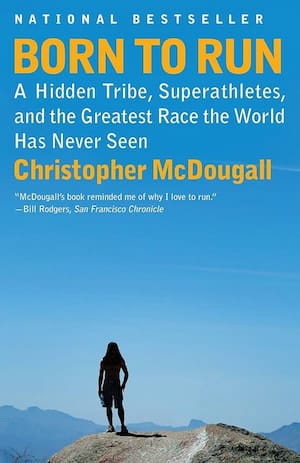
1. Born to Run by Christopher McDougall
Born to Run is the book that pulled running out of split charts and into mainstream culture.
It blends reporting, anthropology, and storytelling to explore why humans are built to run—and why modern runners often make it harder than it needs to be.
Along the way, it dives into endurance running, injury myths, minimalist footwear, and the joy of movement, without reading like a training manual.
McDougall later expanded his ideas in Natural Born Heroes, Born to Run 2, and Running with Sherman, all of which explore endurance and resilience from different angles.
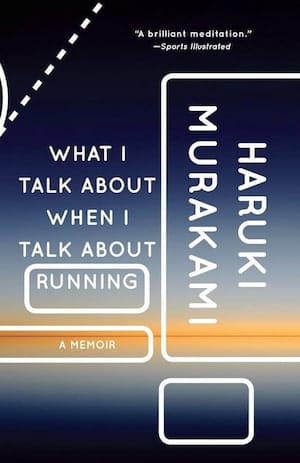
2. What I Talk About When I Talk About Running by Haruki Murakami
What I Talk About When I Talk About Running follows Haruki Murakami through years of steady, unglamorous running alongside his writing life. The book moves between race experiences, training habits, aging, ambition, boredom, discipline, and the quiet satisfaction of putting in miles without witnesses.
Murakami doesn’t romanticize running, but he takes it seriously, treating it as a daily practice that shapes how he thinks and works.
Runners who value routine, solitude, and long-term consistency will recognize themselves in these pages. It’s less about performance and more about what happens when running becomes part of who you are, not just something you do.
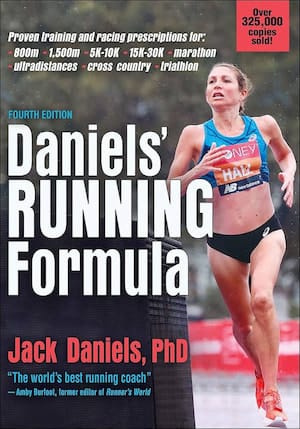
3. Daniels’ Running Formula by Jack Daniels
Daniels’ Running Formula is one of the most widely used training references in distance running, trusted by coaches and self-coached runners alike. It is a practical training guide built around matching paces to current fitness.
The book explains how to structure weeks, balance intensity, and progress over time, with detailed guidance for distances from the mile to the marathon. Runners often turn to this book when training feels scattered or results stall.
Daniels has updated the book across multiple editions, refining the system while keeping the core principles intact.
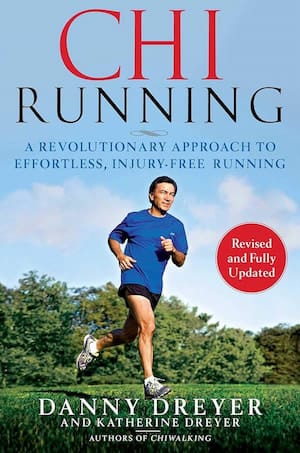
4. ChiRunning by Danny and Katherine Dreyer
ChiRunning focuses on how you move, not how fast you’re trying to go. The Dreyers apply principles from Tai Chi to running form, emphasizing posture, balance, cadence, and relaxation to reduce impact and wasted effort.
Many runners come to ChiRunning after recurring injuries. The book breaks running down into simple mechanical cues you can work on during easy and long runs.
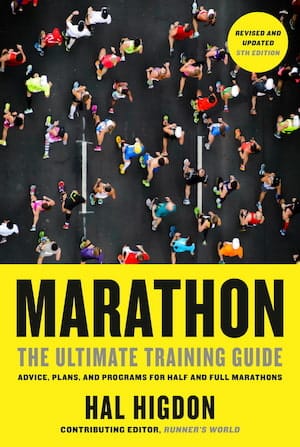
5. Marathon: The Ultimate Training Guide by Hal Higdon
Marathon: The Ultimate Training Guide is one of the most approachable introductions to marathon training ever written.
Higdon lays out clear plans that prioritize consistency, gradual progression, and realistic expectations, making the distance feel manageable rather than overwhelming.
The book covers training structure, long runs, tapering, pacing, and common mistakes, all explained in plain language.
This is often the first marathon book runners buy—and one they return to when they want a straightforward plan that works. It’s especially useful for first-timers and repeat marathoners who value clarity over complexity.
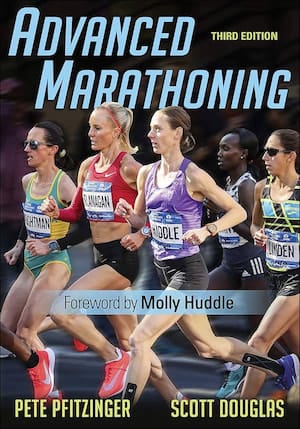
6. Advanced Marathoning by Pete Pfitzinger and Scott Douglas
Advanced Marathoning is a detailed blueprint for runners ready to take the marathon seriously.
The authors dig into aerobic development, mileage progression, workout sequencing, and recovery, with plans that demand consistency and respect for volume. This is a go-to reference for experienced marathoners aiming to run closer to their potential.
Pete Pfitzinger expands the same training philosophy to shorter distances in Faster Road Racing, making the two books a natural pairing for long-term development.
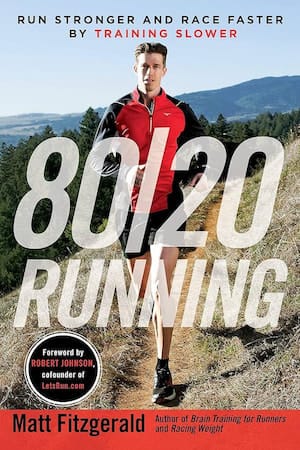
7. 80/20 Running by Matt Fitzgerald
80/20 Running explains how to distribute effort across a week, a training cycle, and a season so that easy runs stay truly easy and hard sessions actually deliver results.
The book includes practical plans for multiple distances, along with guidance on pacing and recovery.
Fitzgerald has also written several other popular running books, including How Bad Do You Want It, Run Like a Pro, Even If You’re Slow, and Racing Weight.
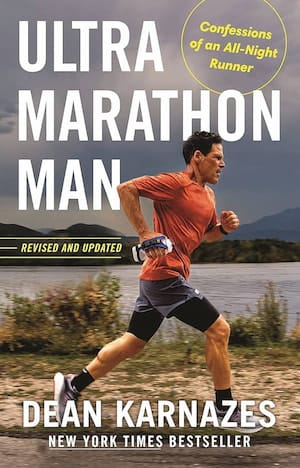
8. Ultramarathon Man by Dean Karnazes
Ultramarathon Man follows Dean Karnazes as he moves beyond standard racing into the far edges of endurance, where sleep deprivation and logistics matter as much as fitness.
The book traces night runs and long solo efforts, with plenty of detail about what it takes to keep moving when most people would stop. It’s part memoir, part look at how curiosity can push a runner far beyond standard race formats.
Karnazes has written other books that explore similar territory, including A Runner’s High and Road to Sparta, both centered on extreme challenges and the mindset behind them.
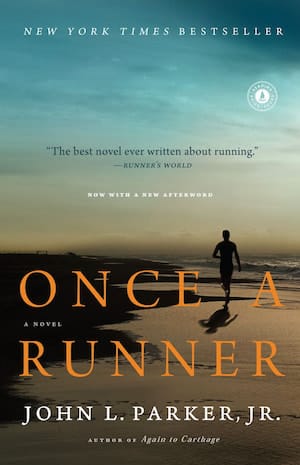
9. Once a Runner by John L. Parker Jr.
Once a Runner is a cult classic of competitive running, often passed along with a quiet “you’ll get this.”
Set in the world of collegiate track, it follows a talented runner learning what daily training really demands as the work gradually takes over—early mornings, mental grind, physical fatigue, and relentless ambition. The details feel familiar to anyone who’s trained seriously, even if the setting is far removed from their own.
Many runners return to this book at different points in their lives and notice something new each time.
John L. Parker Jr. continued the story in Again to Carthage and Racing the Rain, extending the character’s journey well beyond the track.
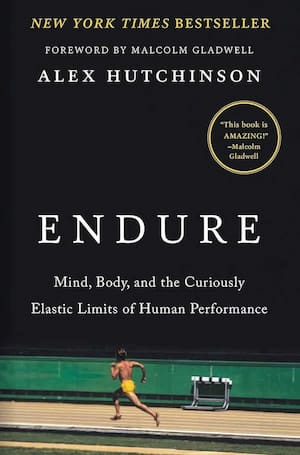
10. Endure by Alex Hutchinson
Endure explores what limits endurance and why fatigue often shows up in the mind before it appears in the body. Hutchinson combines research with real racing and training examples to explain how pain, pacing, expectations, and decision-making shape performance.
The science is clear without being heavy, and the examples stay grounded in situations runners recognize.
11. Ready to Run by Kelly Starrett
Ready to Run is written for runners who are tired of guessing why the same aches keep returning. Starrett explains how limited mobility and small mechanical habits can quietly increase stress with every step, eventually showing up as pain.
Instead of abstract theory, the book stays grounded in how runners actually move. It offers clear self-checks and targeted drills that fit naturally into a runner’s routine.
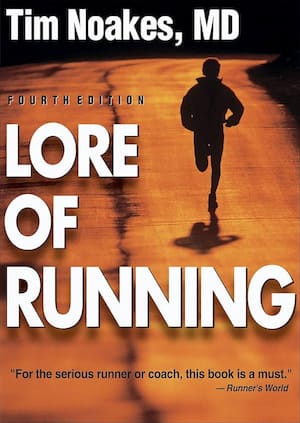
12. Lore of Running by Tim Noakes
Lore of Running feels like sitting down with a very knowledgeable coach. Noakes brings together physiology, training ideas, injury insight, and racing history in a way that helps runners understand how today’s practices came to be.
It’s one of the most comprehensive running books that rewards slow reading. You might not read it straight through, but it’s one you return to when training gets more serious and you want answers that go beyond surface-level advice.
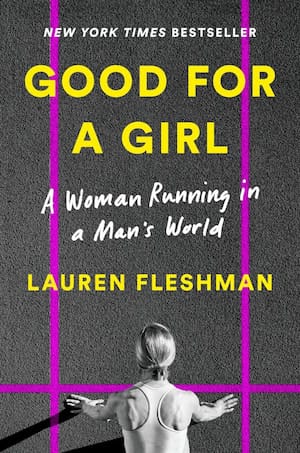
13. Good for a Girl by Lauren Fleshman
Good for a Girl looks at running through the lens of a female athlete growing up in systems designed around male bodies and expectations.
Fleshman writes openly about training, body image, performance pressure—the perspective is personal, but the themes extend well beyond elite sport. This book resonates with runners who’ve felt out of place.
It’s valuable for understanding how coaching and culture can shape—or limit—a runner’s career.
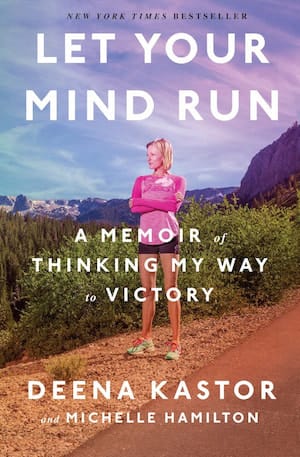
14. Let Your Mind Run by Deena Kastor
Let Your Mind Run shares how Deena Kastor rebuilt her relationship with running by changing how she thought, not just how she trained.
Runners often take practical ideas from this book into daily training: how to shift to a resilient mindset, handle pressure, and stay strong late in races. It’s especially helpful for anyone who feels mentally stuck even when the legs are ready.
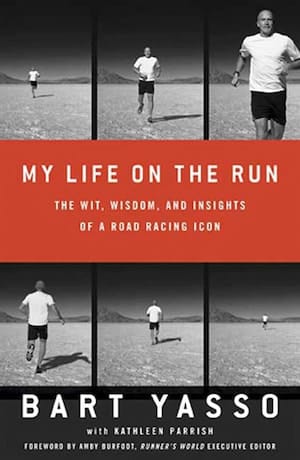
15. My Life on the Run by Bart Yasso
My Life on the Run is part memoir, part behind-the-scenes look at how modern race culture took shape.
Yasso reflects on decades spent running, organizing events, and working inside the sport, with stories that range from personal challenges to memorable moments at major races.
Yasso also wrote 100 Runs of a Lifetime, an engaging collection focused on iconic races and the experiences that make them memorable.
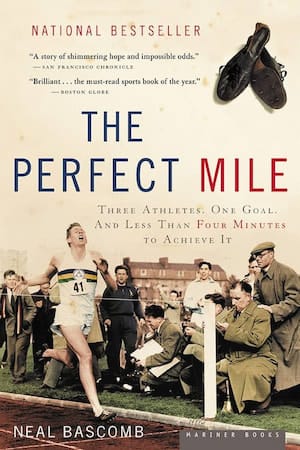
16. The Perfect Mile by Neal Bascomb
The Perfect Mile is an easy recommendation for runners who love a good narrative and a classic sports story.
Bascomb follows the runners who chased the four-minute mile at a time when it felt almost unreal, focusing on their personalities, routines, and the pressure that came with being so close to a breakthrough. The writing keeps things moving, even if you already know how it ends.
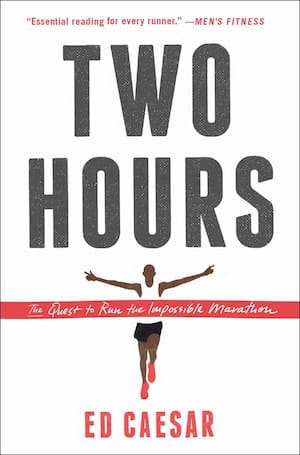
17. Two Hours by Ed Caesar
Two Hours is a good read for runners who like understanding the bigger picture of elite performance. It adds perspective on how close the limits really are—and how much work sits behind headline results.
The book follows the long pursuit of a sub-two-hour marathon, focusing on the people and science behind the attempt.
Caesar tells the story through athletes, coaches, scientists, and shoe designers, showing how small gains, bold ideas, and patience slowly pushed the limits of human performance.
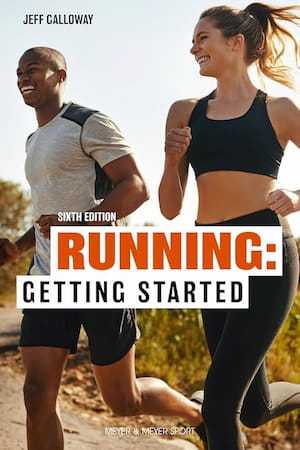
18. Running: Getting Started by Jeff Galloway
Running: Getting Started works well for new runners and for anyone returning after time off who want to run but don’t want to get hurt or overwhelmed in the process.
Galloway focuses on building the habit first, using simple structures like run-walk intervals, manageable weekly progress, and plenty of recovery. The tone is encouraging, which makes the early stages feel achievable.
This book is less about chasing numbers and more about creating a routine you can actually stick with.
19. Exercised by Daniel Lieberman
Exercised takes a step back from training plans and asks a simpler question: why do humans need movement at all? It doesn’t tell you how many miles to run, but it can change how you think about movement and what “being active” is actually for.
Lieberman looks at running through evolution and culture explaining why our bodies are built to move—and why modern life often works against that.
Running is a central thread, but it’s placed in a much bigger picture.
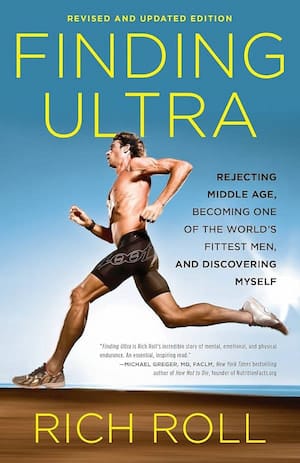
20. Finding Ultra by Rich Roll
Finding Ultra is an absorbing read for runners who like stories about starting over, committing to hard work, and discovering what consistency can unlock over time.
Rich Roll is open about burnout, unhealthy habits, addiction, midlife frustration—and then about choosing endurance as a way forward. Running becomes a steady anchor for him, shaping his days, even when he feels the gap between ambition and ability.
The book is engaging because it doesn’t rush the transformation: progress comes through routine, long hours, missed expectations, and gradual confidence.
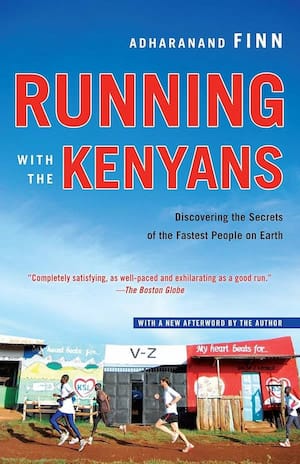
21. Running with the Kenyans by Adharanan Finn
Running with the Kenyans comes from a simple question many runners have asked: why are Kenyan distance runners so consistently good? Finn moves to Kenya to find out, training alongside local athletes and observing daily life around running.
The book blends personal experience with reporting, showing how environment and routine shape performance in ways that don’t fit neatly into Western training plans.
Finn continued exploring running culture in The Way of the Runner and The Rise of the Ultrarunners.

22. Anatomy for Runners by Jay Dicharry
Anatomy for Runners helps runners understand why certain pains keep showing up and what to do about them. The book delves into running biomechanics, explaining how movement patterns affect both performance and injury risk.
Jay Dicharry uses clear illustrations and simple assessments to show where weaknesses and imbalances develop and how runners can address them before pain takes over.
The author develops these ideas further in Running Rewired, offering more tools for maintaining long-term health.
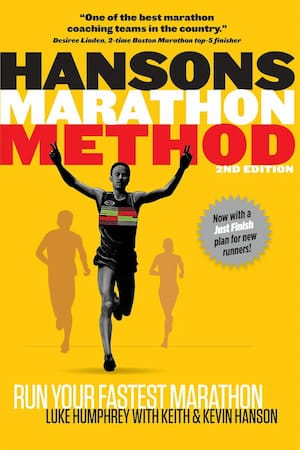
23. Hansons Marathon Method by Luke Humphrey
Hansons Marathon Method offers a clear, structured approach to marathon training built around one core idea: preparing the body to run well on tired legs.
Instead of relying on very long runs, the plan spreads workload across the week so fatigue is managed. The book explains how to organize weeks and use moderate long runs alongside frequent marathon-pace sessions.
Many runners turn to this method when traditional plans feel overwhelming or hard to fit into daily life.
If you run shorter distances, you may also find Hansons Half-Marathon Method useful, since it follows the same principles and structure.
24. The Brave Athlete by Simon Marshall and Lesley Paterson
The Brave Athlete tackles performance limiters in endurance sports—fear, anxiety, self-doubt, and negative self-talk—breaking down why the runner’s brain so often works against the body.
Marshall, a sports psychologist, and Paterson, a world-class endurance athlete, combine science with lived experience, making the concepts practical and offering clear tools runners can use right away. It’s a strong pick for runners looking to quiet mental noise before races.
25. The Happy Runner by David and Megan Roche
The Happy Runner explores how mindset and emotional health influence performance just as much as mileage and workouts.
The authors combine sports psychology with coaching insight and real athlete stories to examine why many motivated runners feel emotionally drained and burnt out despite doing everything “right.”
It’s a practical guide for runners who want to improve without turning training into a constant source of stress. The book resonates most with runners who are training hard but no longer enjoying the process.
26. Quick Strength for Runners by Jeff Horowitz
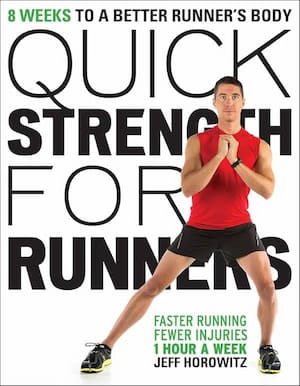
Quick Strength for Runners focuses on short, efficient routines that support running performance without requiring a gym membership or long sessions.
Horowitz explains how targeted strength training improves running economy and injury resistance, with workouts that can be done in as little as 5–20 minutes.
27. Going Long by Runner’s World Editors
Going Long is a practical guide to marathon training that brings together decades of Runner’s World coaching expertise into a single, accessible reference.
The book covers the core elements of marathon preparation, from building weekly mileage and long runs to pacing, fueling, recovery, and race-day execution.
28. Marathon Woman by Kathrine Switzer
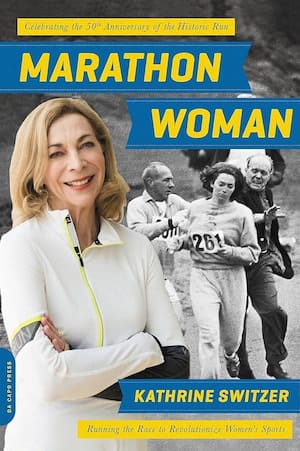
Marathon Woman tells the story of how women fought for a place in distance running through the lens of Kathrine Switzer’s own journey in the sport. Part memoir, part history, the book captures a pivotal moment when running—and who it was for—began to change.
Switzer traces the cultural resistance and institutional barriers of the time, while showing how marathons gradually evolved and modern race culture took shape. It’s a strong recommendation for runners who enjoy history-driven books and want deeper context behind the sport today.
29. Running with the Buffaloes by Chris Lear
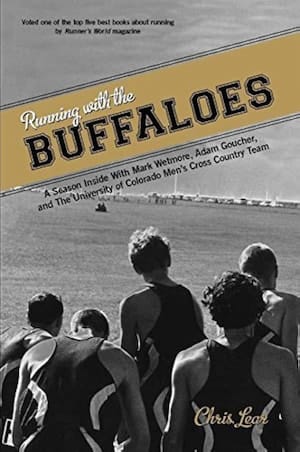
Running with the Buffaloes offers a behind-the-scenes look at elite collegiate running, following the University of Colorado cross-country team during its rise to national dominance in the late 1990s.
The book blends season-long reporting with narrative storytelling, giving readers an inside view of how top programs operate. It’s an engaging, immersive read for runners who enjoy stories about team culture and want to experience a season of high-level running from the inside.
30. Slow AF Run Club by Martinus Evans
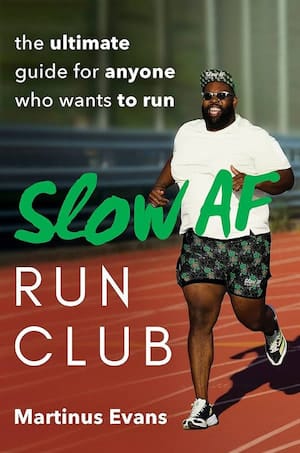
Slow AF Run Club challenges narrow ideas of what a “runner” is supposed to look like and how fast they’re supposed to be. Blending memoir with manifesto, the book centers on inclusivity and the freedom to run on your own terms.
Evans shares his personal path into running while unpacking how pace culture and body shaming can push people away from the sport, using honesty and humor to question long-held assumptions about performance.
He captures a moment when running culture began to broaden—and when simply showing up, at any pace, became part of the conversation.

31. Running Home by Katie Arnold
Running Home is a quiet, reflective memoir about movement as a way of processing loss.
After the sudden death of her father, Katie Arnold turns to trail running in the mountains. The book captures how consistent movement and time in nature can offer clarity and moments of steadiness when life feels fractured.
32. Training Essentials for Ultrarunning by Jason Koop
Training Essentials for Ultrarunning is a foundational guide to modern ultramarathon training, built on Jason Koop’s evidence-based coaching approach. The book explains how endurance adaptations work and how to train them deliberately over long distances.
Koop breaks down key elements of ultrarunning preparation, including intensity-based training, strength work for durability, fueling and hydration strategies, and how to adapt training for heat, altitude, and different terrain.
The book helps to train effectively for ultras—whether your goal is finishing strong or improving long-term performance.
33. Relentless Forward Progress by Bryon Powell
Relentless Forward Progress is one of the most comprehensive overviews of ultrarunning training, bringing together guidance from dozens of experienced coaches and elite athletes.
Instead of prescribing one method, the book lays out multiple approaches to mileage, intensity, long runs, recovery, strength work, and race preparation, showing how different paths can lead to success over ultra distances.
The structure allows runners to compare ideas and adapt them to their own background and goals.
34. Running to the Edge by Matthew Futterman
Running to the Edge tells the story of how modern distance running was reshaped through innovation, obsession, and a willingness to question tradition.
Centered on coach Bob Larsen and the athletes around him, the book traces the rise of a data-driven, experiment-heavy approach to training in American distance running.
Futterman blends deep reporting with narrative history, following runners like Meb Keflezighi as science and technology began to influence how elites trained and raced.
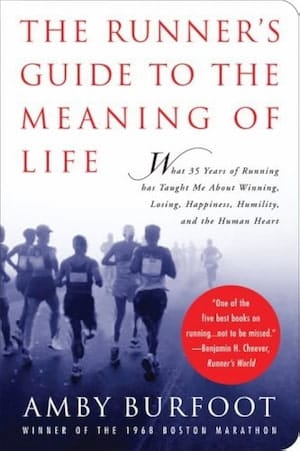
35. The Runner’s Guide to the Meaning of Life by Amby Burfoot
The Runner’s Guide to the Meaning of Life reflects Amby Burfoot’s decades in the sport—as a Boston Marathon winner, longtime Runner’s World editor, and one of running’s most familiar voices. Through short, thoughtful essays, he draws on races and everyday miles to share what running teaches over a lifetime.
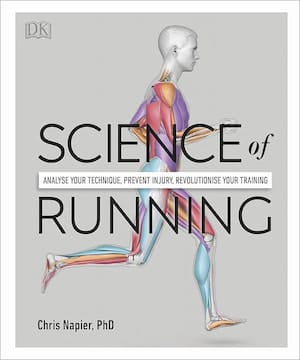
36. Science of Running by Chris Napier
The Science of Running breaks down how running works—from biomechanics and physiology to load management and injury risk—without turning it into a textbook. Chris Napier translates current research into plain language, focusing on what matters for everyday training.
Rather than prescribing rigid plans, the book explains cause and effect. The author connects research to real scenarios runners recognize: building mileage, handling intensity, managing niggles, and adjusting before small problems become setbacks.
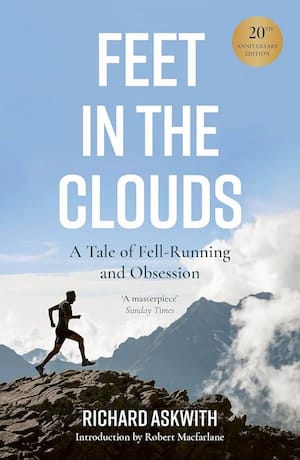
37. Feet in the Clouds by Richard Askwith
Feet in the Clouds dives into the little-known world of British fell running, a sport defined by steep climbs, rough weather, and unwritten rules. Richard Askwith approaches it as both an outsider and a curious participant, using his own attempts at the discipline to guide the story.
The book follows specific races and characters, while explaining how fell running developed outside mainstream athletics and why it has resisted commercialization.
It offers a detailed look at a tradition shaped by local rules, making it a vivid portrait of a running world that operates by its own logic.
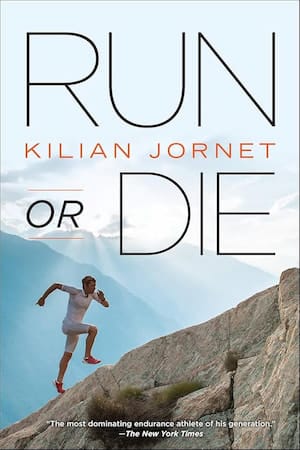
38. Run or Die by Kilian Jornet
Run or Die is written by Kilian Jornet, one of the most influential mountain and ultrarunners of his generation. Part memoir, part reflection, the book offers insight into how he approaches running and life in the mountains.
Born and raised in the Pyrenees, Jornet grew up moving at altitude long before structured training plans, and carried that background into record-setting performances around the world.
The book follows his major races and projects, including Western States 100, Ultra-Trail du Mont-Blanc, Lake Tahoe, and his speed ascent of Mount Kilimanjaro as part of the Summits of My Life project. Along the way, Jornet reflects on mountain running, extreme endurance, risk, and the pull of wild landscapes.
It’s a personal, race-grounded look at elite trail running from the inside.
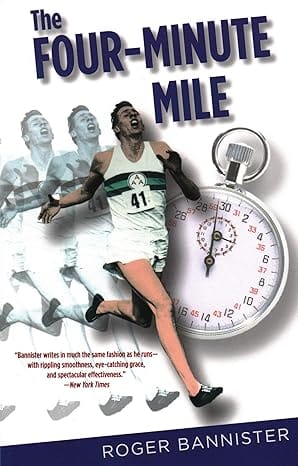
39. The Four-Minute Mile by Roger Bannister
The Four-Minute Mile is Roger Bannister’s memoir of the race that forever changed how people think about running.
On a windy May afternoon in 1954, he broke the four-minute barrier—a moment that became a turning point not just for the sport, but for human belief in what was possible.
The book tells the story of that run and the journey behind it, with Bannister reflecting on preparation, pressure, and the mindset required to chase a goal many considered unreachable.
Decades later, it remains a moving account of one of running’s most iconic moments, written by the athlete who lived it.
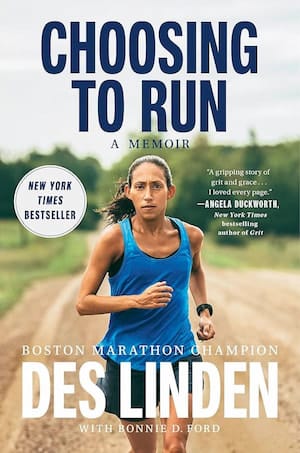
40. Choosing to Run by Des Linden
Choosing to Run is a memoir, built around Linden’s iconic 2018 Boston Marathon win.
On a cold, rain-soaked day, coming off illness and questioning her future in the sport, Des Linden used the brutal conditions to her advantage and surged after Heartbreak Hill to become the first American woman to win Boston in 33 years.
From there, the book traces her career arc—from collegiate running to turning professional and doing things her own way. Linden writes honestly about training, doubt, longevity, and the daily decision to keep showing up, even when confidence wavers and outcomes are uncertain.
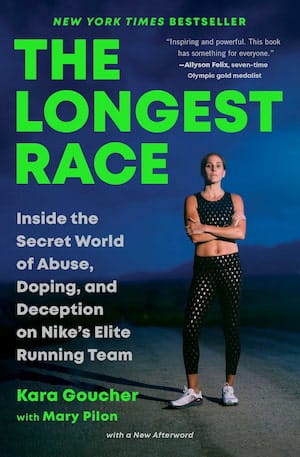
41. The Longest Race by Kara Goucher
The Longest Race is Kara Goucher’s honest story about her years at the top of American distance running and the scandal that forced her to speak out.
An Olympian and world medalist, she writes about her rise in the sport and joining the powerful Nike Oregon Project, which at first felt like a dream opportunity.
Behind podium finishes and major marathon performances, she describes a culture that pushed ethical boundaries and took a toll on her body and mental health.
The book pulls back the curtain on elite running, sponsorship pressure, and the cost of silence.
Goucher has also written Running for Women and Strong, which shift from memoir to practical guidance on training and long-term development.
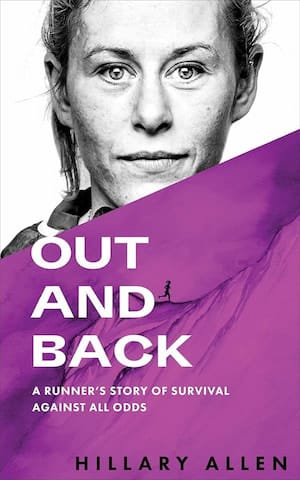
42. Out and Back by Hillary Allen
Out and Back is about surviving a near-fatal fall during a mountain ultrarace and finding the way back to running.
At the height of her trail career, Hillary Allen fell nearly 150 feet during a race in Norway, suffering serious injuries that put her life at risk.
The book follows what came next: learning to walk again, dealing with fear, rebuilding strength, and redefining what progress looks like when racing is no longer the goal. Told in clear, simple language, it’s a grounded account of recovery and resilience, focused on moving forward one step at a time.
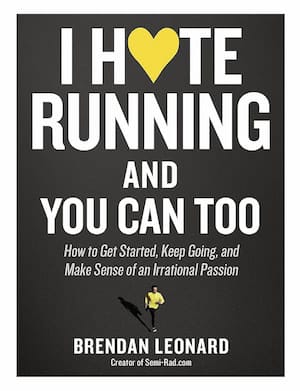
43. I Hate Running and You Can Too by Brendan Leonard
I Hate Running and You Can Too is for runners who don’t take themselves—or the sport—too seriously.
The book is made up of short essays and illustrations about bad runs, shaky motivation, skepticism, low expectations, and the gap between how running is often sold and how it actually feels—with a sense of humor about the whole thing.
Brendan Leonard, best known for Semi-Rad, writes for people who enjoy running but don’t romanticize it and for those who are never quite sure they enjoy it at all.
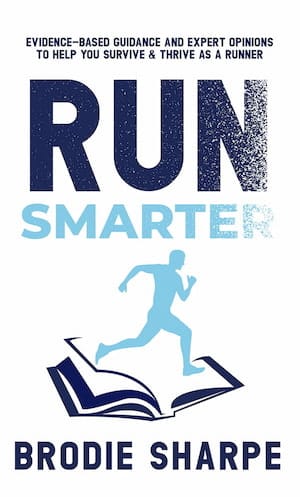
44. Run Smarter by Brodie Sharpe
Run Smarter is about staying healthy and making steady progress without injuries. Brodie Sharpe, a physiotherapist and running coach, explains how to spot early warning signs, adjust training load, and use simple strength and rehab ideas to keep running through setbacks.
Written in clear, practical language, it helps runners train with more confidence by focusing on habits that actually reduce injury risk and support long-term improvement.
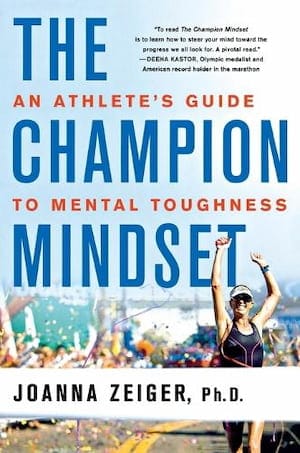
45. The Champion Mindset by Joanna Zeiger
The Champion Mindset focuses on the mental skills athletes use to perform under pressure. A former elite triathlete and coach, Joanna Zeiger draws on sports psychology and real competition experience to explain how thoughts and emotions affect performance.
The book offers practical tools for handling nerves and self-doubt in high-stress moments like races, helping athletes build mental routines that support consistent training and confident racing.
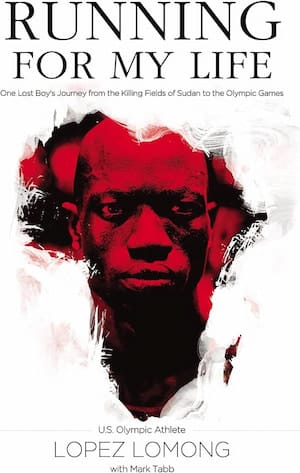
46. Running for My Life by Lopez Lomong
Running for My Life is the story of Lopez Lomong’s journey from unimaginable hardship to the Olympic stage.
Kidnapped at the age of six during the Sudanese civil war, he survived years in a refugee camp before escaping and eventually being resettled in the United States—alone, with no family and no clear future.
Lomong tells how running became the turning point. What started as a simple act of moving forward, one step at a time, grew into a path that led him to captaining the U.S. Olympic team and carrying the American flag at the Opening Ceremony.
More than a running story, it’s a powerful reminder of what’s possible when perseverance meets opportunity—and how sport can transform the course of life.
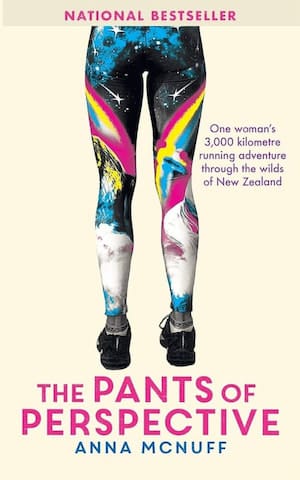
47. The Pants of Perspective by Anna McNuff
The Pants of Perspective is a funny, honest account of running 2,300 miles solo through New Zealand. Anna McNuff sets out to see what happens when you keep moving forward with only a pack and a rough plan.
She writes openly about long days on trails and roads, physical exhaustion, fear, discomfort, and stubborn determination.
It’s an adventure story told with warmth and humor, less about performance and more about curiosity—what you discover when you run far enough, long enough, and give yourself permission to figure things out as you go.
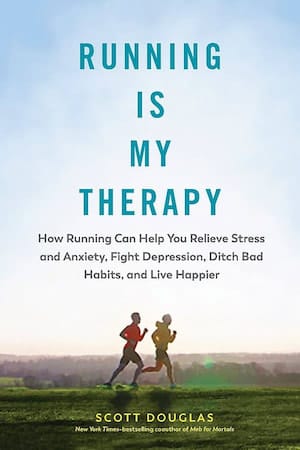
48. Running Is My Therapy by Scott Douglas
Running Is My Therapy looks at how running can support mental health, backed by both science and personal experience.
Scott Douglas, a longtime running writer with more than 100,000 miles behind him, draws on current research and expert insight to explain how consistent running can improve mood, reduce anxiety, and support treatment for depression.
Douglas is careful to avoid quick fixes, showing how running works best alongside therapy and healthy routines—not as a replacement for them.
Beyond this book, Douglas is also the author of The Little Red Book of Running, and a co-author of several titles such as 26 Marathons, Meb for Mortals, Advanced Marathoning, and The Genius of Athletes.
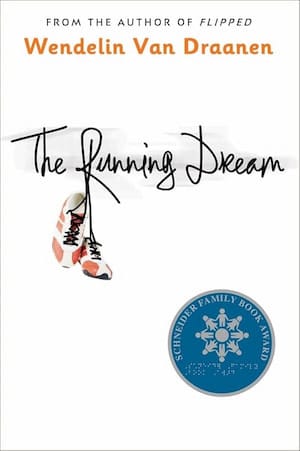
49. The Running Dream by Wendelin Van Draanen
The Running Dream is a novel about losing running—and finding a way back to movement when everything changes.
After a serious accident costs her a leg, teenage runner Jessica is forced to rethink not only how she runs, but who she is without the sport that defined her.
The story follows her long, uneven recovery: learning to walk with a prosthetic, rebuilding confidence, and slowly rediscovering competition in a new form. While written for younger readers, the themes—injury, patience, and redefining goals—resonate well beyond that audience and feel familiar to many runners.
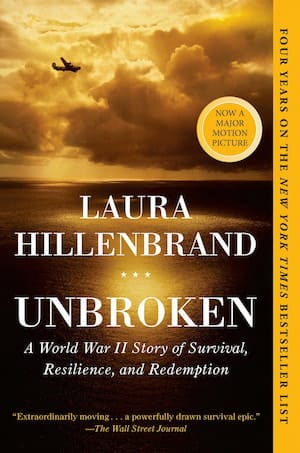
50. Unbroken by Laura Hillenbrand
Last but not least, Unbroken tells the unforgettable true story of Louis Zamperini—an Olympic runner whose life became a test of endurance far beyond sport. A prize-winning, #1 New York Times bestseller and the basis for a major motion picture, it’s one of the most gripping survival stories ever written.
After competing in the 1936 Berlin Olympics, Zamperini’s life was upended by World War II. A plane crash left him drifting in the Pacific for weeks, followed by years of captivity as a prisoner of war.
Hillenbrand writes with force and compassion, showing how the grit and discipline Zamperini learned through running carried him through brutal years of hunger and fear.
Running appears only briefly, but its spirit is felt on every page. Unbroken is a deeply human story about resilience, willpower, and the courage to keep going when everything else is stripped away.
We hope you enjoyed this list and found something useful or inspiring for your running journey.
Some links in this article are affiliate links. If you choose to buy a book through them, we may earn a small commission at no extra cost to you. Thank you for supporting our work.